

A GSA Schedule consultant prepares, submits, negotiates, and manages your Multiple Award Schedule contract so you win approval faster and stay compliant afterward. We handle the paperwork, pricing analysis, and GSA communication that typically stalls applications for months or years when businesses try to go it alone.
Beyond the submission itself, a consultant reduces Evaluation Notices, speeds eOffer processing, and keeps your catalog and price list compliant once you hold the contract. Businesses that work with an experienced consultant are often awarded within a few months and spend minimal time on the process, whereas companies managing every step internally often take considerably longer.
TL;DR:
- Applicants generally need two years of stable financial statements, active SAM.gov registration, and verifiable past performance; complex pricing or multiple SINs add proposal work.
- A straightforward offer with one SIN, simple pricing, strong documentation, and an internal team can proceed without a consultant, though progress may take longer.
- A single SIN proposal commonly costs $20,000 to $60,000; multiple SINs, complex pricing, turnkey support, and Final Proposal Revision work can raise fees.
- Respond to Evaluation Notices within 48 hours whenever possible, because delayed or incomplete replies can add days or weeks to negotiations.
- Accepting TDR means monthly line item sales reporting across the entire contract, while contractors must also keep price lists current and meet delivery obligations.
Table of Contents
- What services does a GSA Schedule consultant provide?
- Who is eligible, and when should you hire a consultant?
- How do consultants handle the application: four practical phases
- What happens after award: mods, reporting, and compliance
- What do consultants charge, and how long does the process take?
- How do you choose the right consultant?
- When hiring a consultant actually pays off
- How GSA Schedule Services can help you get there
- FAQ
- Sources
What services does a GSA Schedule consultant provide?
A consultant’s work starts well before you touch the eOffer portal and continues long after award. Most engagements cover a consistent set of tasks, though the depth depends on the service tier you choose.
- Eligibility assessment: reviewing your financial statements, confirming active SAM.gov registration with correct NAICS codes, and documenting past performance that GSA will evaluate.
- SIN and NAICS mapping: identifying which Special Item Numbers fit your offer and where you sit against competing schedule holders.
- Pricing and disclosure support: building a Commercial Sales Practices format, weighing legacy pricing clauses against Transactional Data Reporting, and benchmarking rates against existing contract holders.
- Proposal writing: drafting technical and pricing volumes using GSA’s required templates and supporting evidence.
- eOffer submission logistics: formatting files correctly, coordinating digital certificates, and avoiding the upload errors that trigger rejections.
- Negotiation support: managing Evaluation Notices, drafting responses, and producing the Final Proposal Revision.
- Post-award administration: uploading your catalog, handling mass modifications, and setting up authorized negotiator status.
Each of these tasks maps to a phase of the process, and the GSA MAS mechanics explain how the schedule itself is structured before you get into the weeds of application work.
Who is eligible, and when should you hire a consultant?
GSA generally expects applicants to show financial stability (usually documented with two years of statements), an active SAM.gov registration, and past performance that can be verified by a reference or through a system like CPARS, as outlined in GSA’s own guidance on accessing contract opportunities. Meeting those baseline requirements doesn’t mean the application will be simple, and that gap is usually where a consultant adds the most value.
- Confirm you meet the basics: business age, two years of stable financials, clean SAM.gov status, and documentable past performance.
- Check whether your internal team has bandwidth to manage a multi-month proposal process alongside normal operations.
- Consider the complexity of your offer. Multiple SINs, intricate pricing structures, or TDR decisions add work that benefits from outside expertise.
- Weigh your timeline. If you need to compress a process that often takes two or more years internally, a consultant’s structured phases matter more.
- Decide whether DIY makes sense. A straightforward single-SIN offer with simple pricing and strong internal documentation skills can sometimes go forward without a consultant, though the tradeoff is slower, less predictable progress.
Watch for consultants who guarantee approval outright or stay vague about deliverables. GSA evaluates every submission on its own merits, and no third party controls that outcome.
How do consultants handle the application: four practical phases
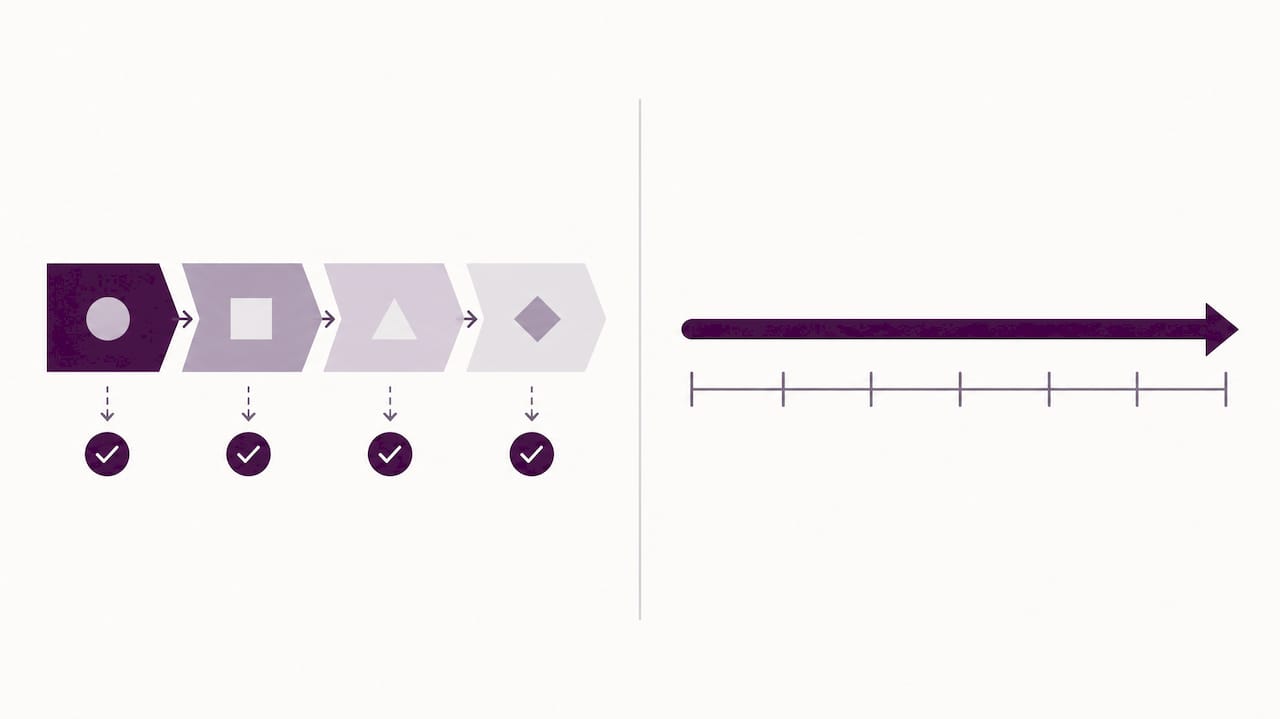
Most full-service engagements break into four distinct phases, and understanding them helps you know what you’re paying for at each stage.
- Pre-proposal: selecting SINs, benchmarking pricing against comparable schedule holders, identifying gaps in your documentation, and framing past performance evidence.
- Proposal preparation: assembling pricing spreadsheets, completing CSP or TDR analysis, and filling out GSA’s required templates and attachments.
- eOffer submission: formatting files, coordinating the digital certificate, and uploading through the portal correctly the first time. A detailed walkthrough of this stage appears in our GSA eOffer process guide.
- Negotiation and award: responding to Evaluation Notices on time, finalizing the Final Proposal Revision, and handling the handoff once award is issued.
Preparation itself commonly takes a few months, and GSA’s review and negotiation window typically runs another several months on top of that, according to GSA’s own process overview. Complex submissions may also face pre-award audits. The biggest bottleneck tends to be slow or incomplete responses to Evaluation Notices, since each round adds days or weeks to the timeline.
Pro Tip: Respond to Evaluation Notices within 48 hours whenever possible. Delayed responses are the single most common reason negotiation drags past its expected window.
What happens after award: mods, reporting, and compliance
Winning the contract is the midpoint, not the finish line. Getting your catalog live and keeping the contract compliant takes ongoing attention.
- Catalog and GSA Advantage setup: listings often lag award by a month or more without proactive follow-up, so pushing this step early matters for visibility.
- Mass modifications: GSA periodically issues mass mods that must be signed within a stated window. The MAS Modification Guide warns that contracting officers may reject incomplete modification requests, which makes tracking deadlines across your catalog essential. Our breakdown of contract modification types covers what each mod type requires.
- Transactional Data Reporting: accepting TDR shifts you to monthly line-item sales reporting through the FAS Sales Reporting Portal and can remove the need for CSP-1 disclosures, per GSA’s TDR guidance. That decision affects your entire contract, not just one SIN.
- Ongoing compliance: GSA requires contractors to maintain current price lists in the Vendor Support Center and meet delivery performance obligations, as detailed in guidance on complying with contractual requirements. Our compliance requirements guide walks through these obligations in more depth.
- Authorized negotiator setup: a consultant acting on your behalf typically needs an authorization letter on file with your contracting officer before handling mods or negotiations directly.
What do consultants charge, and how long does the process take?
Fees vary with scope, but a straightforward single-SIN proposal commonly falls between $20,000 and $60,000, with multiple SINs, complex pricing, or Final Proposal Revision work pushing costs higher.
- Simple single-SIN offers with clean documentation sit at the lower end of that range.
- Multi-SIN or complex pricing structures add analysis time and raise fees accordingly.
- Turnkey service, where the consultant manages everything from pre-proposal through post-award setup, costs more than advisory-only engagement.
- Milestone-based payment terms tied to specific deliverables give you more control than a single upfront fee.
Clients working with an experienced consultant often see faster approval times and spend less time on the process than those managing applications internally, a dramatic contrast to the two or more years businesses often spend managing the same application internally.
When comparing quotes, ask what’s included at each phase and whether pricing is deliverable-based or scoped by hour. A quote with no defined milestones makes it hard to know what you’re actually paying for.
How do you choose the right consultant?
A short list of direct questions during an initial call tells you more than any marketing page.
- Ask about scope: does the engagement cover pre-proposal through post-award, or just proposal drafting?
- Ask who does the work: a named team member handling your file, or a general pool of staff?
- Ask what you must provide: financial documents, pricing data, and past performance references, typically.
- Ask about Evaluation Notice handling: who drafts responses, and what’s the expected turnaround?
- Ask about timeline and communication cadence: weekly check-ins, defined milestones, or open-ended updates?
| Signal | What it looks like |
|---|---|
| Deliverable clarity | Named proposal volumes, eOffer upload, EN response support, post-award tasks spelled out in the SOW |
| Red flag | Guaranteed approval claims or refusal to let you communicate with the contracting officer |
| Positive signal | Transparent, milestone-based pricing and a clear service level agreement |
| Positive signal | References you can actually verify |
Vague timelines or deliverables in a proposed statement of work are worth pushing back on before signing anything.
When hiring a consultant actually pays off
A consultant earns its fee when your timeline is tight or your team lacks hands-on GSA experience. The value isn’t magic, it’s structured process and someone who has seen the Evaluation Notice patterns before. Verify deliverables in writing and treat any guaranteed approval claim as a reason to ask more questions.
— Josh
How GSA Schedule Services can help you get there
If you’re starting from scratch with a single SIN, our Startups, Specialty, or Streamline proposal packages map closely to that need. Businesses that want ongoing catalog and mass mod support after award typically fit better with our RETAINER maintenance plan, priced at $1,500 per year.
For companies that prefer a guided self-service route, our GSA DIY Quick Start package gives you structure without handing over every task. And for contract holders who need predictable mod cycles, our maintenance plans run from 1 Mod /year at $99 per month up to Custom # Mods starting at $339 per month.
- We handle the documentation, formatting, and negotiation work so your team stays focused on operations.
- Our process starts with a free eligibility check to confirm where you stand before anything else.
- You’ll know your deliverables and timeline upfront, with no guesswork about what happens next.
If marketing your federal offer is part of the plan, pairing GSA readiness with targeted outreach, the kind our partners at Coastal Connect provide for contractors building local visibility, can round out your go-to-market approach once your schedule is active.
Start with a free eligibility check to see where your business stands today.
FAQ
How hard is it to get a GSA Schedule?
Getting a GSA Schedule requires demonstrating financial stability, active SAM.gov registration, and verifiable past performance, and the review process itself can take several months even after a complete submission. Businesses managing the process alone often spend two or more years on it, while working with an experienced consultant typically compresses that to around six months.
What is the highest paid type of consultant?
Pay varies widely across consulting fields and depends on specialty, experience, and client base rather than any single ranking. For GSA Schedule work specifically, fees are typically scoped to the complexity of the engagement rather than tied to a broader consulting pay scale.
What are the five C’s of consulting?
Definitions of the “five C’s of consulting” vary by source and aren’t tied to a single recognized GSA or federal standard. In the context of GSA Schedule work, the consistent priorities are client needs, compliance, clear communication, cost transparency, and completed deliverables.
Do GSA consultants get paid well?
Consultant fees for a single-SIN GSA Schedule proposal commonly range from $20,000 to $60,000, with more complex, multi-SIN engagements costing more. Earnings depend on scope and the number of clients a consultant manages, not a fixed salary structure.
How much does it cost to hire a GSA Schedule consultant?
Costs depend on the service tier and scope you choose, from proposal packages like Startups and Streamline for single-SIN applications to ongoing retainer support priced at $1,500 per year for maintenance. A detailed quote typically follows a free eligibility check that confirms your specific scope.
Sources
- How to access contract opportunities | GSA
- MULTIPLE AWARD SCHEDULE (MAS) MODIFICATION GUIDE (October 2023)
- Help with transactional data reporting | GSA
- Comply with contractual requirements | GSA
Recommended
- GSA Schedule Eligibility Checker
- 3 Reasons Small Businesses Should Consider a GSA Schedule Consultant
- Where to Find GSA Assistance for Your Small Business
- How to Grow a Small Business Through a GSA Schedule