

SAM.gov registration is the mandatory, free entity registration for federal business, and a GSA Schedule is an optional, strategic contract vehicle. Your SAM record must be active before you submit a Schedule offer, and it must stay active through award. Register first, then decide whether a Schedule fits your sales goals.
TL;DR:
- Renew SAM every 365 days and keep it active at offer, award, and throughout performance; contracting officers verify status at each required stage.
- Allow at least ten business days for SAM activation, then add time for IRS or CAGE validation problems that may require corrections.
- Most Schedule applicants should prepare for a Readiness Assessment, GSA training, eOffer submission, current price templates, past performance evidence, financial disclosures, and category specific attachments.
- Make every offer detail match SAM, especially the legal name, UEI, and EFT information, because discrepancies can trigger administrative disqualification.
- Use SAM alone for smaller procurements or one bid at a time; pursue a Schedule when your team can manage months of coordinated offer work.
Table of Contents
- What are the key differences between SAM registration and a Schedule?
- What is SAM.gov registration and how do you complete it?
- What does a GSA Schedule application actually require?
- How do SAM.gov and a Schedule work together in practice?
- How do you prepare for a Schedule while keeping SAM current?
- What administrative mistakes cause rejections, and how do you avoid them?
- How long does each step take, and what resources do you need?
- When is SAM alone enough, and when should you pursue a Schedule?
- How does GSA Schedule Services help with SAM upkeep and GSA offers?
- FAQ
- Sources
What are the key differences between SAM registration and a Schedule?
Think of SAM as your ID and a Schedule as your storefront. One proves who you are, the other puts your prices in front of agency buyers. Here is how they split on the points that decide what you do next:
- Purpose: SAM establishes your eligibility and identity in federal systems. A GSA Schedule is a long-term contract vehicle that gives agencies a streamlined way to buy from you.
- Cost and access: Sam to register and to maintain. A Schedule costs you effort instead: templates, evidence of past performance, pricing and financial documentation.
- Timeline: SAM activation can take at least ten business days, and validation issues may require corrective steps. A Schedule offer takes time to assemble and review.
- Verification: Contracting officers check your SAM data at offer and again at award. Any mismatch with your offer can stall or sink it.
If your SAM status is not active today, your next action is registration. If it is active and you want a repeatable sales channel into agencies, your next action is the Schedule application.
What is SAM.gov registration and how do you complete it?
SAM.gov registration is the process of entering your business information into the federal system so agencies can award you contracts and pay you. It assigns a Unique Entity ID, stores your core entity data, and serves as the main repository federal buyers check. It is not a contract, and it does not make you a GSA contractor. The entity registration pages call it the foundational prerequisite, and a Schedule award demands a separate, rigorous application.
Registration is free, and it must be renewed every 365 days. It must also be active both when you bid and when you are awarded. The SAM.gov entity checklist says activation can take at least ten business days, and TIN or CAGE validation problems may require corrective steps first.
Gather these items before you start:
- Your exact legal business name and physical address
- Your taxpayer identification number, with consent to IRS validation
- Electronic funds transfer banking details
- Your NAICS codes
- Points of contact for the entity
- Time to complete representations and certifications
Then work through the registration in order:
- Create a login and begin a new entity registration at SAM.gov.
- Enter your legal business name, address and Unique Entity ID details exactly as they appear on your IRS and incorporation records.
- Provide your TIN and consent to IRS validation.
- Add your EFT banking information.
- Select your NAICS codes and enter your points of contact.
- Complete the representations and certifications.
- Submit, then watch for validation notices and respond to any request quickly.
Formatting is where applicants trip. “Acme Solutions, LLC” and “Acme Solutions LLC” may look identical to you, but a validation system and a contracting officer reviewing your offer may not agree. Copy names and addresses from one master source so they match everywhere.
Pro Tip: Export your completed SAM record to PDF the day you finish, and paste names and addresses from it into every later form.
If you want to understand how this fits into a Schedule application, our GSA contractor application guide walks through the full path.
What does a GSA Schedule application actually require?
A Schedule is a governmentwide long-term contract that puts your prices and terms on a ready-to-buy vehicle. Instead of negotiating a fresh deal with every agency, buyers can order from your listed offering. That convenience is why the vetting is serious.
GSA describes the application as a detailed process that includes a mandatory Readiness Assessment, training, and submission through the eOffer system, along with past performance and technical proposals. GSA’s guidance also frames SAM as the starting line, not the goal. The MAS roadmap makes clear that the Schedule application requires you to prove reliability, financial health and capability with substantial documentation.
The main components of an offer look like this:
- Readiness Assessment: GSA’s first gate, which checks whether your business is positioned to compete before you invest in a full offer.
- eOffer submission: The electronic system where you upload your offer, attachments and signed forms.
- Price templates: GSA requires prescribed templates, and many SINs have their own price proposal template. The required templates page lists them.
- Past performance: Evidence that you have delivered similar work, presented the way the solicitation asks.
- Financial disclosures: Documentation that shows your business can stand behind a long-term contract.
- NAICS and SIN mapping: Connecting your NAICS codes to the Special Item Numbers where you want to sell.
- Solicitation attachments: The clauses, certifications and forms listed for your large category.
The MAS solicitation and its category attachments are the authority on all of this. The solicitation document outlines the offer steps, the Readiness Assessment requirement and the use of eOffer. Download the current versions rather than relying on a colleague’s old folder, because templates get refreshed and an outdated file is an easy way to earn a rejection.
Some streamlined offer paths exist in limited circumstances, but most applicants should plan for the full offer process. Also pay attention to size standards when you choose NAICS codes. Small-business status can affect certain streams, and this SBA size standards checklist is a useful reference for confirming where you stand.
Offer work tends to surface weaknesses in your internal documentation. Pricing logic that lives in one person’s head, past performance that was never written down, and commercial sales practices nobody can describe all slow the process. If you want to see how the steps fit together, our walkthrough on how to apply for a GSA Schedule covers what to expect from the timeline, and our overview of GSA contract eligibility helps you decide whether the investment makes sense for your business.
How do SAM.gov and a Schedule work together in practice?
The relationship is sequential and legally grounded. You cannot obtain or hold a Schedule without an active, validated SAM registration, and GSA’s registration guidance says contracting officers use the SAM record to verify your eligibility. They also verify continued Active status through the life of a contract.
The legal hooks are specific. FAR 52.204-7 requires registration at the time of offer submission and at the time of award, and FAR 52.204-13 requires you to maintain that registration throughout contract performance. The procedures at FAR 4.1103 put contracting officers on the hook for verifying SAM status at offer submission, so an offer with an inactive record is rejected or delayed.
FAR 52.204-7 requires SAM registration at offer submission and at award, and FAR 52.204-13 requires you to maintain it through contract performance. That makes an active SAM record a condition of your offer, not a formality (GSA).
Three practical consequences follow:
- Match your data. Differences between your SAM record and your GSA offer in legal name, UEI or EFT details commonly cause administrative disqualification.
- Register joint ventures separately. A joint venture needs its own SAM registration with its own UEI and CAGE. Never reuse a partner’s identifiers.
- Validate early. Finish SAM weeks before you plan to submit in eOffer, so IRS or CAGE validation hiccups do not collide with your offer deadline.
How do you prepare for a Schedule while keeping SAM current?
Treat SAM as a living document rather than a one-time task. As GSA guidance on registering your business notes, SAM is free but costs you time and accuracy, and letting it go inactive causes automatic failure in systems that verify eligibility. Use this checklist, and assign a named owner to each step:
- Confirm your legal name, TIN and EFT details in SAM against your IRS and bank records.
- Confirm your NAICS codes and make sure they reflect what you actually want to sell.
- Set point-of-contact emails to monitored inboxes, and calendar your renewal ahead of time.
- Complete the Readiness Assessment and the required GSA training.
- Download the current MAS solicitation, your category’s attachments and the price templates for your SINs.
- Collect past performance references and the financial documentation the solicitation asks for.
- Prepare signed forms, including SF-1449 where required, and map each SIN to your NAICS codes.
- Build in time for validations and an internal review before you press submit in eOffer.
Involve finance, legal and operations early. Finance owns pricing and financial statements, legal reviews clauses and certifications, and operations supplies the past performance story.
Pro Tip: Keep one master folder holding your SAM export and every attachment, and pull every submission from it so names, addresses and dates never drift.
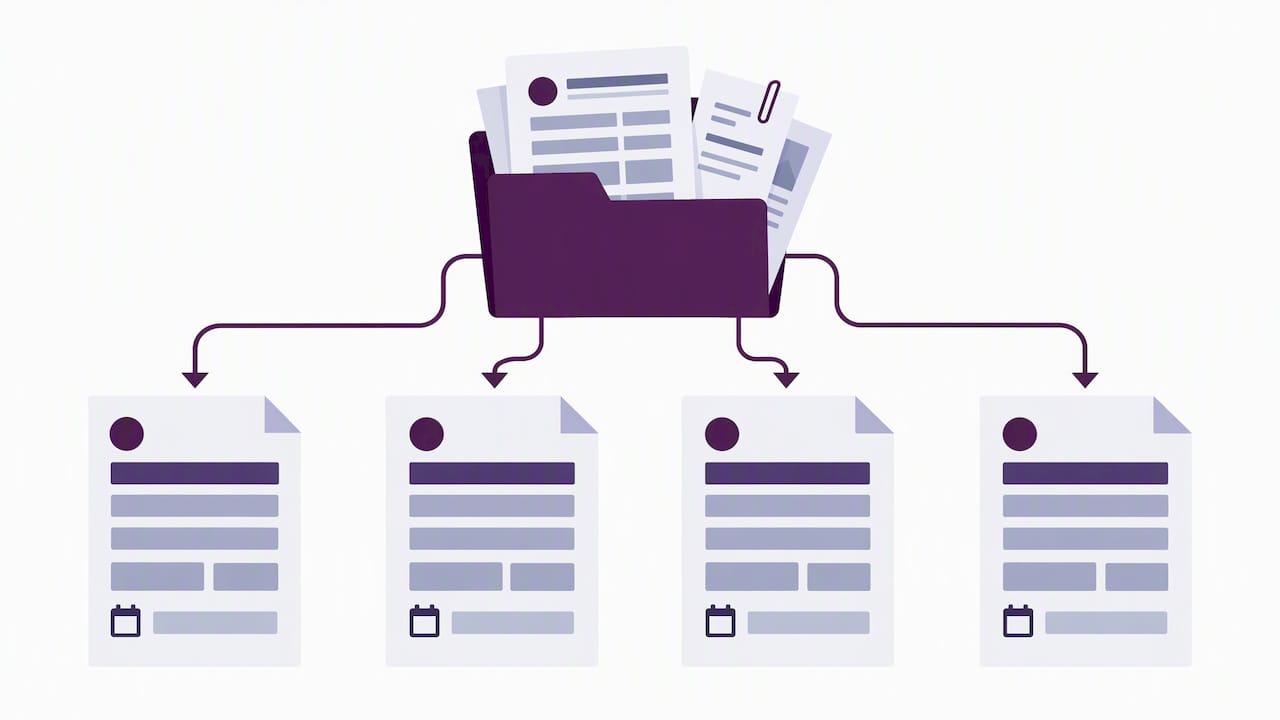
Our DIY Quick Start is built for teams that want guided templates and structure while they do the work themselves.
What administrative mistakes cause rejections, and how do you avoid them?
Most rejections are fixable errors, not judgments about your business. Check for these administrative errors:
- Mismatched identity data: If your legal name, TIN or address in SAM differs from your offer, verify the exact text and formatting in both places and correct the offer to match the record.
- A lapsed SAM record: Confirm Active status before every submission, and keep renewal reminders on more than one calendar.
- Missing attachments or wrong price templates: Pull the exact files from the MAS solicitation and your category attachments, and check each SIN’s template requirements against your upload list.
- Joint venture registration errors: Register the JV as its own legal entity in SAM, with its own UEI and CAGE.
- Treating SAM as the finish line: Registration gets you into the system. The Schedule application still needs your full evidence package.
If an offer is returned, fix the root cause and document the correction so the same error does not reappear in later modifications.
How long does each step take, and what resources do you need?
SAM registration is free, and activation can take at least ten business days. Build in extra time when IRS or CAGE validation issues appear. A Schedule offer is a different scale of effort: assembling and reviewing it takes time, depending on your category and complexity.
The SAM checklist says registration can take at least ten business days to become active. Plan your Schedule timeline around that possibility (SAM.gov).
Internally, expect cross-functional work from finance, legal and operations, and a heavy stretch of editing when templates and attachments come together. Our clients receive support throughout the award process, while businesses handling the application themselves must manage the work independently. If your team is thin, outside help shortens the timeline and cuts rework. Before you hire anyone or commit staff, our guide to selling services via a GSA Schedule helps you plan realistically for life after award, and a short process documentation template can help you tidy internal sales steps before the application begins.
When is SAM alone enough, and when should you pursue a Schedule?
SAM alone is enough when you are chasing smaller procurements or simply want to receive solicitations and compete one bid at a time. A Schedule earns its cost when you want a repeatable channel where agencies come to you with pre-negotiated terms. My view is that the deciding factor is rarely eligibility and almost always capacity. Many businesses qualify but never finish, because the offer demands months of coordinated work that nobody owns. If speed matters and your bandwidth is limited, professional help lowers both the time to award and the odds of an administrative rejection. The lowest-friction first step is a free eligibility check, which tells you whether you are ready and when to start.
— Josh
How does GSA Schedule Services help with SAM upkeep and GSA offers?
We take on the parts of the process that eat your calendar, so you can keep running the business. Here is what we handle:
- Readiness assessments that show where you stand before you commit
- SAM validation checks so your record matches your offer
- eOffer assembly and price list templates
- Negotiation support with GSA
- Maintenance plans that keep your contract current after award
Start with a free eligibility check or a discovery call, and we will tell you whether a Schedule fits your business and how soon you could move. You can also review our proposal packages or book a discovery call today.
FAQ
How do I get my SAM number?
You get your Unique Entity ID by starting an entity registration at SAM.gov, which is free. Have your legal name, address, TIN and banking details ready, and allow about ten business days for activation.
Do I need SAM registration before a GSA Schedule?
Yes. Your SAM registration must be active when you submit a Schedule offer and at award, under FAR 52.204-7. It must then stay active throughout the contract under FAR 52.204-13.
Why do I need SAM registration?
SAM is how federal buyers verify your identity and eligibility, and it is the system agencies use to award and pay contractors. Without an active record, offers are rejected or delayed.
Does SAM registration cost anything?
No. Registration and maintenance are free, and you renew every 365 days. The real cost is the time and accuracy it takes to keep your data correct.
Sources
Recommended
- Top 10 GSA Compliance Risks for Small Businesses
- Common GSA Vendor Mistakes
- GSA Schedule Eligibility Checker
- Avoid a Reoffer: GSA Schedule Renewal for U.S. Contractors