
Federal procurement is evolving, and cloud tools are at the forefront of this transformation. Here’s why they matter:
- Efficiency Gains: Cloud platforms replace outdated systems, automating tasks like contract renewals and compliance checks, saving time and resources.
- Centralized Data: Agencies can now access vendor information, contract histories, and compliance documents in one place, improving decision-making.
- Collaboration: Teams can work together in real-time, share documents, and track progress, even remotely.
- Transparency: Audit trails and real-time monitoring ensure accountability and compliance with federal regulations.
- Scalability: Cloud solutions handle fluctuating workloads without additional infrastructure costs.
- AI-Powered Insights: Integrated analytics provide spending recommendations, predict future needs, and flag issues early.
Programs like GSA’s OneGov and FedRAMP are streamlining cloud adoption, standardizing processes, and reducing security hurdles. Small businesses, while facing compliance challenges, have opportunities to compete effectively by aligning with these cloud-based advancements.
Key takeaway: Cloud tools simplify and modernize federal procurement, offering faster processes, better collaboration, and smarter decisions while creating opportunities for contractors and agencies alike.
Basics of Cloud Computing for Procurement Managers – Part 1
How Cloud Tools Improve Scalability and Efficiency
Cloud platforms are reshaping how federal agencies handle procurement. By moving away from outdated legacy systems to cloud-based solutions, agencies can scale their operations more fluidly while cutting down on the time and resources needed for managing complex procurement tasks.
Traditional procurement systems often falter when faced with sudden increases in contract volume or simultaneous data access demands across various departments. Cloud platforms address this by offering scalable storage and adaptable processing power that adjusts to fluctuating needs. This flexibility supports a shift toward integrated and automated workflows, streamlining the procurement process.
Centralized Data and Automation
One of the key benefits of cloud solutions is the centralization of critical data, such as contract histories, vendor information, and compliance documents, all accessible remotely. Automation plays a major role in driving efficiency, handling tasks like contract renewals, compliance checks, and vendor notifications automatically. These processes, once labor-intensive, now run seamlessly based on predefined rules, significantly cutting down processing times.
Cloud platforms also excel in integration. They allow procurement systems to connect with financial management tools, inventory tracking systems, and vendor management software. This interconnected setup reduces the need for duplicate data entry and enables more informed, data-driven decisions.
Additionally, real-time monitoring features give procurement teams a clearer view of spending patterns and contract performance. This proactive approach helps identify potential issues early, ensuring vendor relationships remain strong and contract adjustments are handled efficiently.
Better Collaboration and Transparency Through Cloud Tools
Cloud tools have revolutionized how federal agencies handle procurement, breaking down barriers created by isolated systems. Now, departments can share information effortlessly, creating a more open environment where stakeholders can track progress, access necessary documents, and contribute to decisions – no matter where they are.
But this isn’t just about swapping files. These platforms offer centralized collaboration spaces, bringing together procurement teams, legal advisors, budget officers, and vendor management specialists to work on contracts and purchasing decisions simultaneously. This eliminates the slow, back-and-forth communication that used to delay progress.
Transparency has also reached new heights. Cloud systems provide audit trails and real-time visibility into procurement activities. Stakeholders can see exactly who made decisions, when changes were made, and what influenced those choices. This level of clarity not only strengthens accountability but also helps agencies meet federal procurement regulations with ease.
Real-Time Data Sharing
Cloud tools also shine when it comes to sharing data instantly. Federal agencies can now exchange procurement information across locations and departments without delay. Teams access the latest documents in real time, avoiding the confusion of version conflicts.
The remote accessibility of cloud platforms has been a game-changer, especially in the era of hybrid work. Procurement officers can review vendor proposals, approve purchase orders, and collaborate on contracts from anywhere with an internet connection. This flexibility ensures that work continues smoothly, no matter where team members are located.
Moreover, these tools encourage cross-agency collaboration on joint procurement efforts. When multiple agencies need similar products or services, they can securely share vendor assessments, pricing details, and contract terms. This kind of coordination often leads to better deals through combined purchasing power and cuts down on redundant evaluation efforts.
Perhaps most importantly, the speed of information sharing has drastically reduced decision-making timelines. Tasks that once took days or weeks – like circulating documents for approval – can now be completed in hours. Instant notifications alert teams when reviews are needed, approvals are pending, or deadlines are approaching, keeping everyone on track.
AI and Analytics for Decision Support
Cloud tools don’t stop at data sharing – they also bring advanced analytics into the mix. With artificial intelligence (AI) integrated into procurement platforms, federal agencies gain intelligent recommendations based on historical spending and vendor performance. These systems analyze past decisions and market trends to suggest cost-saving strategies and optimal purchasing options.
Using predictive analytics and machine learning, these tools continuously refine their recommendations, helping agencies anticipate future needs and make smarter procurement choices over time.
Cloud-based dashboards provide procurement managers with a clear view of spending patterns, vendor performance, and contract compliance. These visual tools simplify complex data, making it easier for stakeholders – regardless of their expertise – to understand trends and make informed decisions.
AI-powered tools also enhance collaborative review processes by flagging potential contract issues, highlighting missing documents, and suggesting improvements based on previous successes. By giving multiple reviewers access to these insights at the same time, agencies can conduct more thorough evaluations, make smarter decisions, and stay compliant with intricate federal regulations.
Federal Cloud Procurement Strategies and Modernization Programs
Federal modernization efforts are increasingly centered on cloud strategies to streamline operations, cut costs, and improve service delivery. These initiatives are not just about upgrading technology – they represent a shift toward creating a more efficient, transparent, and accessible procurement process. For small businesses aiming to break into federal contracting, understanding these programs is essential to navigate the changing landscape effectively.
Federal agencies are moving away from outdated systems in favor of unified platforms that enhance enterprise-wide operations. This shift makes it easier for agencies to deliver services while fostering a procurement environment that benefits both government entities and their vendors. For small businesses, cloud strategies simplify the process by reducing application complexity, increasing visibility into opportunities, and standardizing requirements. However, contractors must also adapt to meet new digital compliance standards.
GSA OneGov Strategy
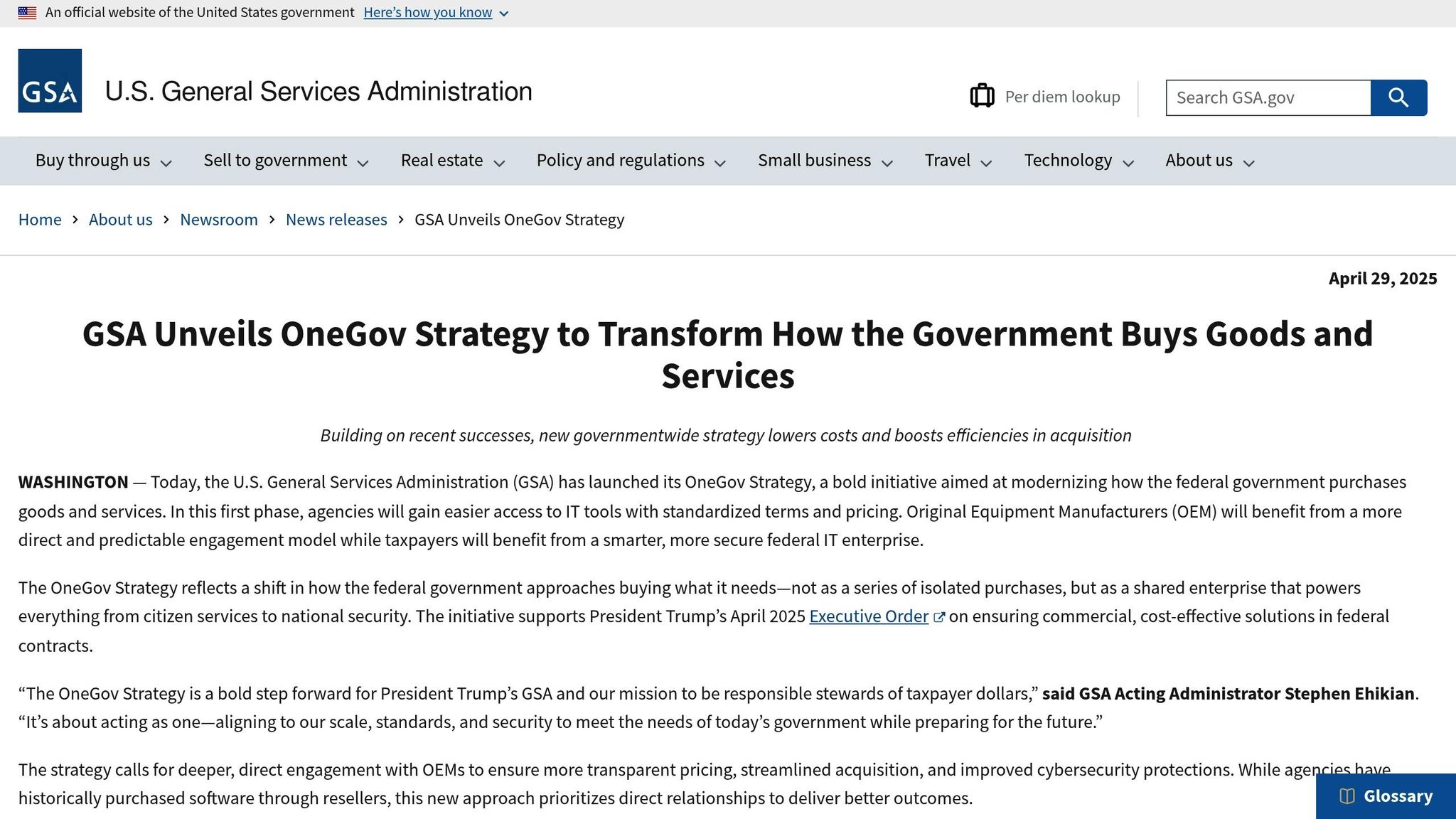
The General Services Administration‘s (GSA) OneGov strategy is a cornerstone of federal modernization, focusing on refining procurement processes. This initiative aims to standardize technology purchases by consolidating multiple procurement vehicles into unified platforms. With OneGov, the GSA has introduced streamlined systems that simplify vendor relationships and offer standardized pricing.
For federal agencies, this means lower administrative burdens, quicker procurement cycles, and better pricing through consolidated buying power. Vendors – especially small businesses – benefit from a more predictable and centralized pathway to federal contracts. The strategy also incorporates pre-negotiated pricing, leveling the playing field for smaller companies. Organizations such as GSA Focus assist small businesses in navigating these requirements, offering support for acquiring and managing GSA Schedule Contracts.
FedRAMP and Secure Cloud Adoption
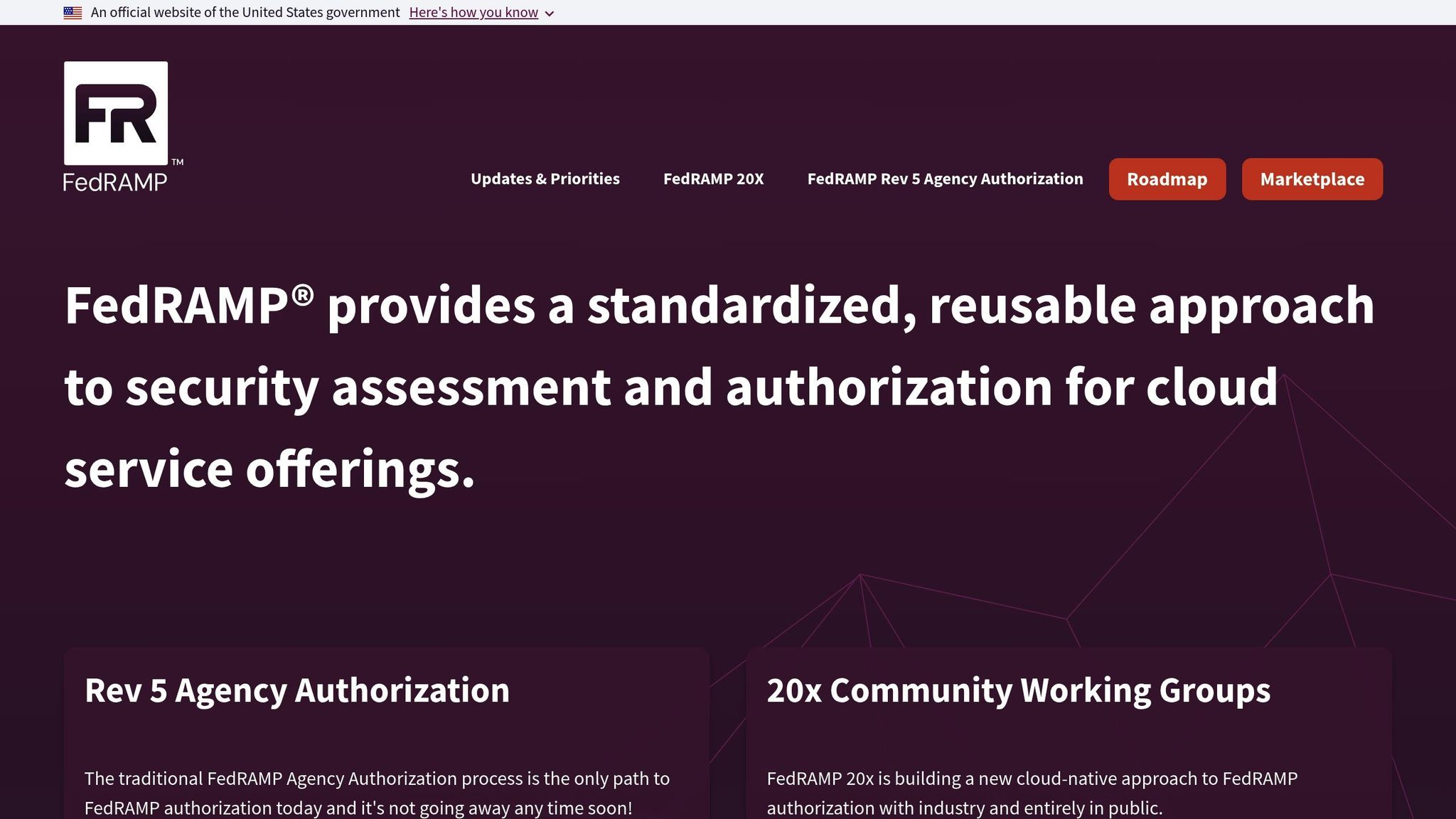
The Federal Risk and Authorization Management Program (FedRAMP) has become a critical driver of secure cloud adoption across federal agencies. By standardizing security assessments and authorization processes, FedRAMP has eliminated the need for individual reviews for each cloud service. This approach has significantly sped up cloud procurement, allowing agencies to implement solutions in weeks instead of months.
Before FedRAMP, separate security assessments for each service provider created delays and added costs. Now, once a cloud service achieves FedRAMP authorization, it can be confidently adopted by any federal agency. This shared security model not only improves timelines but also ensures rigorous compliance standards across the board.
For small businesses, achieving FedRAMP compliance can be daunting due to the investment required in security measures and documentation. However, the payoff is substantial: compliance opens doors to a large market with fewer competitors, as many vendors are deterred by the complexity of the certification process.
FedRAMP has also influenced procurement by emphasizing security compliance and compatibility with existing FedRAMP-authorized services. As the program evolves, features like continuous monitoring and automated compliance checks are making procurement even more efficient while maintaining high security standards. This evolution creates new opportunities for small businesses to bring innovative solutions to the federal market.
Benefits and Challenges of Cloud-Based Procurement
Federal agencies are increasingly turning to cloud-based procurement, driven by strategies like GSA’s OneGov initiative and the need for FedRAMP compliance. This shift offers exciting opportunities, but it also introduces some hurdles that agencies and contractors must navigate.
Cloud tools bring a range of advantages. They speed up processes, lower administrative costs, and provide better visibility into spending. Their ability to scale means procurement teams can handle fluctuating workloads without investing in additional hardware. Automated workflows also cut down on manual tasks, boosting overall efficiency. However, these benefits come with their own set of challenges.
One major hurdle is managing the transition itself. Staff often need time and training to adapt to new systems and workflows. Integrating existing legacy systems with cloud platforms can also be technically demanding, potentially delaying implementation and increasing costs. On top of that, maintaining cybersecurity and ensuring user accessibility require ongoing attention and funding.
Financially, the impact of cloud adoption varies across agencies. While it can lead to lower operational costs in the long run, the initial outlay for migration, training, and compliance can be steep. For small businesses – like those entering federal contracting through organizations such as GSA Focus – understanding these dynamics is critical to aligning their services with agency modernization efforts.
Comparison Table: Benefits vs. Challenges
| Benefits | Challenges |
|---|---|
| Scalability: Adjust resources automatically based on procurement needs without extra hardware. | Change Management: Staff training and resistance can delay adoption. |
| Cost Savings: Reduces the need for maintaining on-premises infrastructure, cutting long-term costs. | High Initial Costs: Migration, training, and compliance demand significant upfront investment. |
| Better Collaboration: Enables real-time data sharing across teams and with vendors. | Legacy System Integration: Technical hurdles can complicate the connection between old and new systems. |
| Increased Transparency: Audit trails and reporting improve accountability. | Cybersecurity Needs: Protecting sensitive data requires continuous investment in security measures. |
| Faster Processes: Automation reduces manual tasks and shortens cycle times. | Vendor Lock-in: Dependence on specific cloud providers may limit future flexibility. |
| Advanced Analytics: AI tools provide insights to optimize spending and identify savings. | Compliance Challenges: Meeting federal security standards requires specialized expertise. |
Striking the right balance between these benefits and challenges is crucial for federal agencies and contractors. Agencies that prioritize detailed training and roll out changes in phases tend to see faster results with fewer disruptions. For contractors and small businesses, understanding these dynamics helps them craft solutions that meet the real needs of federal agencies.
Conclusion: Opportunities for Federal Contractors and Small Businesses
The shift in federal procurement toward cloud-based tools is opening up new doors for small businesses and contractors ready to embrace this digital evolution. As government agencies adopt platforms that prioritize scalability, automation, and real-time collaboration, they’re actively seeking partners who can deliver cloud-native solutions and support their modernization efforts.
For small businesses, this presents a chance to shine. Their ability to adapt quickly to changing needs allows them to provide specialized cloud services tailored to federal requirements. Plus, the growing focus on transparency and performance-based metrics levels the playing field, enabling smaller contractors to compete more effectively, regardless of size.
That said, stepping into the federal cloud procurement space isn’t without its challenges. It demands a strong grasp of technical standards, strategic positioning, and a deep understanding of compliance and security requirements. Successfully navigating this landscape means mastering these complexities while demonstrating value through innovative solutions.
This is where expert guidance can make all the difference. GSA Focus offers small businesses the tools and support they need to thrive in this space. From preparing essential documentation to ensuring compliance and handling negotiations, their services allow businesses to focus on delivering cutting-edge cloud solutions instead of getting bogged down by the finer details of procurement.
The federal contracting world is evolving, and small businesses that align with these changes stand to gain a competitive edge. By understanding the nuances of federal cloud adoption and leveraging expert support, they can turn challenges into opportunities, achieving both their modernization goals and long-term success in this dynamic marketplace.
FAQs
How do cloud-based tools improve collaboration and transparency in federal procurement?
Cloud-based tools play a key role in improving collaboration and transparency in federal procurement by enabling real-time data sharing. This ensures that all stakeholders – whether agencies or contractors – have access to the latest information, keeping everyone on the same page. With these tools, procurement workflows become more visible, making it easier to monitor progress, allocate resources, and stay compliant with regulations.
By centralizing communication on a single platform, cloud solutions streamline teamwork, especially on complex projects. They also make reporting and monitoring more straightforward, helping to cut down on delays and boost accountability. In short, these tools allow agencies to work more efficiently while building trust and openness throughout the procurement process.
What challenges do federal agencies face when adopting cloud-based procurement systems, and how can they overcome them?
Federal agencies face a range of hurdles when shifting to cloud-based procurement systems. Key challenges include maintaining cybersecurity and compliance, navigating complicated procurement processes, and ensuring a skilled workforce is in place to handle the new technologies.
To tackle these issues, agencies can take several practical steps. Implementing robust security protocols helps protect sensitive data from breaches. Streamlining workflows cuts down on inefficiencies, making processes smoother and more manageable. Additionally, investing in thorough training programs equips employees with the skills needed to use cloud-based tools confidently. By addressing these critical areas, agencies can unlock the full potential of cloud solutions, such as scalability and enhanced collaboration.
How can small businesses use cloud tools to succeed in federal contracting?
Small businesses can make the most of cloud-based tools to improve their federal contracting efforts. These tools help simplify workflows, adjust to shifting demands, and encourage smoother collaboration. Plus, they can lower operational costs and ensure businesses meet federal compliance standards.
With features like digital procurement platforms and AI-powered systems, these tools can break down complicated processes and provide actionable insights. This not only saves time but also gives small businesses a competitive edge in the federal marketplace, creating opportunities to explore new government contracts.
Related Blog Posts
- How to Track Federal Sales with GSA Tools
- Types of Federal Procurement Methods Explained
- Insights from the GSA Buyers perspective
- How Tech Simplifies GSA Sourcing